Introduction
Australia is renowned for its rich biodiversity, particularly when it comes to reptiles. Amongst these interesting animals, the Eastern Tiger Snake ( Notechis scutatus) attracts attention due to its striking appearance and White crowned snake powerful poison. Found primarily in southeastern Australia, this varieties has actually interested both herpetologists and laid-back viewers alike. In this thorough overview, we will certainly explore the features of the Eastern Tiger Snake, explore their environment, actions, and diet regimen, and share essential safety and security pointers for any person that might come across them.
As we go across through the subtleties of the Eastern Tiger Snake's life, we'll additionally discuss essential topics such as serpent bite emergency treatment and avoidance techniques. With serpent bites being a serious problem in Australia, equipping yourself with understanding can suggest the difference between safety and threat. Bend up as we start this enlightening journey.
Exploring the Eastern Tiger Serpent: Attributes and Security Tips
1. Overview of the Eastern Tiger Snake
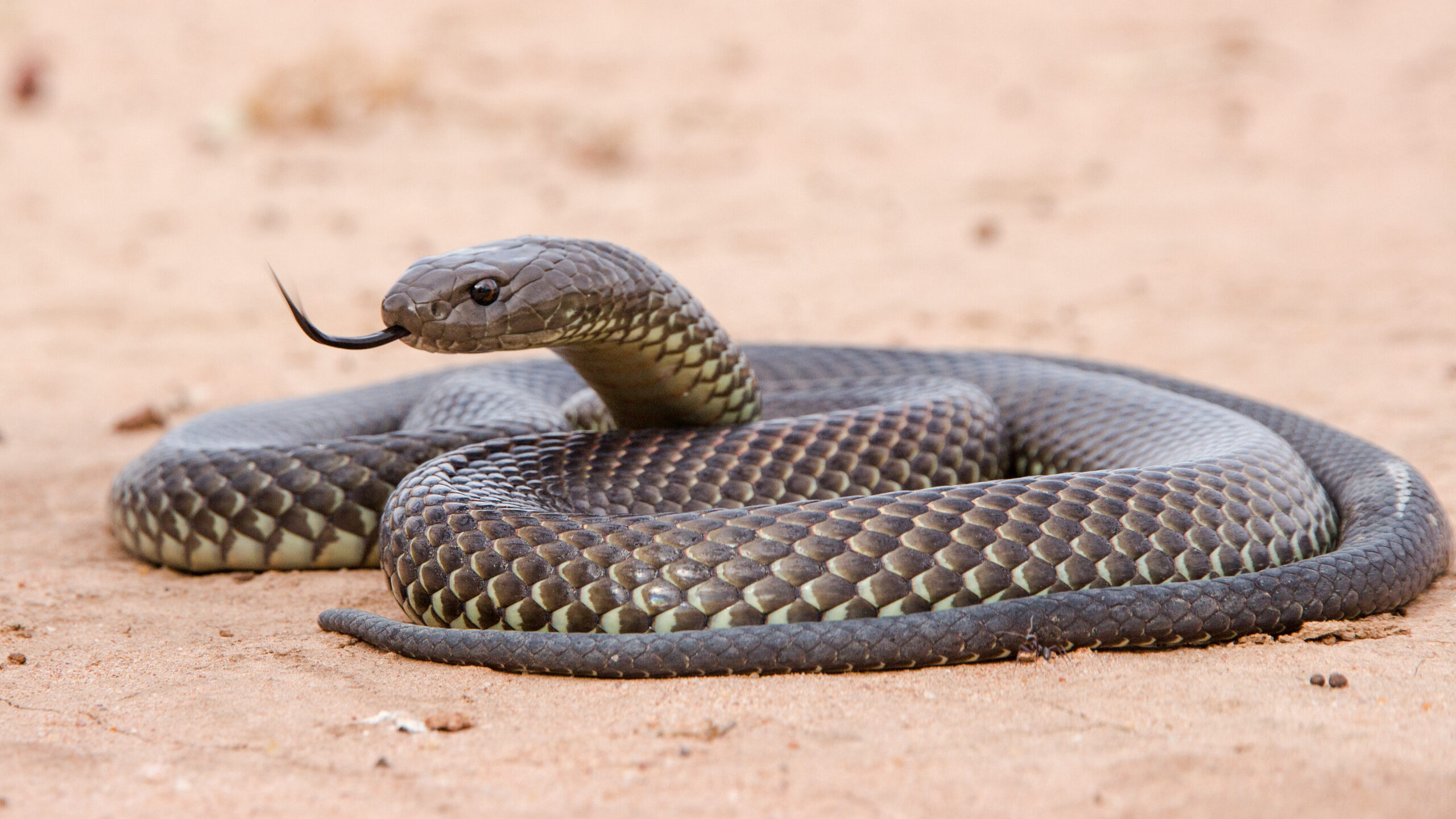
The Eastern Tiger Snake is a very venomous serpent that comes from the Elapidae family members. Characterized by its distinct banding pattern that resembles a tiger's stripes, this types showcases a range of shades from olive-green to black Immobilization or perhaps brown hues.
1.1 Physical Characteristics
Tiger serpents are medium to large-sized serpents that commonly get to sizes of 1.2 to 2 meters (4 to 6.5 feet). Their durable bodies are enhanced by a squashed head that makes them quickly identifiable among other snakes.
1.2 Venom Composition
The venom of an Eastern Tiger Serpent is mostly neurotoxic. This means it can affect the nerves and lead to paralysis if left neglected. Luckily, antivenom is offered in Australia for those unfortunate adequate to be bitten.
2. Habitat of the Eastern Tiger Snake
Understanding where these snakes flourish can aid in preventing experiences and valuing their duty in the ecosystem.
2.1 Natural Habitat
Eastern Tiger Snakes like seaside areas, marsh locations, and meadows. They are typically located near freshwater resources like Educating about venomous snakes swamps and rivers.
2.2 Geographic Distribution
This species is mainly situated in southeastern Australia, including components of Tasmania where they are typically referred to as Tasmanian tiger snakes.
3. Habits Patterns
3.1 Diurnal vs Nighttime Activity
While some tiger snakes may display nighttime behavior throughout warmer months, they are primarily diurnal creatures that search throughout daytime hours.
3.2 Protective Mechanisms
When threatened, tiger snakes may present hostile behavior by curling back or hissing noisally prior to striking if prompted further.


4. Diet regimen of the Eastern Tiger Snake
Tiger serpents have a diverse diet plan mainly including little animals, birds, amphibians, and other reptiles.
4.1 Hunting Techniques
They employ ambush techniques paired with rapid strikes to capture unsuspecting target-- an excellent feat offered their size!
5. Are Tiger Snakes Venomous? Understanding Their Risk Level
Yes! The eastern tiger serpent is indeed venomous; however, not all attacks lead to envenomation (the injection of venom). Recognition concerning their danger degree is vital for any person that frequents their habitat.
6. Emergency Treatment for Serpent Bites: A Crucial Skillset
If a person is bitten by a tiger snake or any various other varieties:
- Remain calm; panic intensifies symptoms. Call emergency situation solutions immediately. Apply a stress bandage over the bite site.
Knowing how to respond without delay can save lives!
7. Usual Myths Regarding Tiger Snakes Debunked
Misunderstandings about tiger snakes are plentiful-- allow's deal with some common myths:
- Myth: All snakes are aggressive. Fact: Numerous snake varieties favor evasion over confrontation. Myth: A dry bite means no danger. Fact: Always seek clinical attention no matter symptoms!
8. Security Preventative Measures When Encountering Snakes
Awareness is your finest defense against unwanted encounters with tiger serpents:
- Stay vigilant while treking or going through recognized habitats. Avoid tall turf where visibility may be limited. Wear appropriate shoes when checking out natural areas.
9. What To Do If You Experience an Eastern Tiger Snake?
Stay calmness! Slowly retreat without making sudden movements-- it's important not to prompt the animal further.
10. Child Tiger Snakes: The Young Ones' Journey
Juvenile tigers usually display various pigmentation than grownups however retain similar patterns that offer camouflage versus killers and environmental threats.
10.1 Developmental Stages
These baby serpents emerge after regarding 2 months' gestation from eggs laid by women-- a remarkable change into independence!
11. The Role of Preservation in Protecting Serpent Species
With metropolitan advancement encroaching upon all-natural environments, preservation initiatives are important for preserving healthy populaces of eastern tiger snakes-- and all wildlife!
Frequently Asked Questions
FAQ 1: Are all tiger snakes deadly?
While eastern tiger snakes possess potent venom efficient in triggering extreme harm or death if without treatment, not every encounter causes a bite or envenomation.
FAQ 2: Just how can I identify an eastern tiger snake?
Look for distinct red stripe patterns combined with pigmentation varying from olive-green to black; they also have flat heads characteristic of elapids!
FAQ 3: What ought to I consist of in my serpent bite emergency treatment kit?
Essential things include pressure plasters, sterilized gauze pads for injury treatment, antiseptic wipes/solutions like alcohol swabs along with emergency call numbers!
FAQ 4: Just how often do tiger serpents breed?
Typically reproducing occurs during spring when temperatures increase-- females may lay in between 20-30 eggs per clutch relying on ecological conditions!
FAQ 5: What makes Tasmania's tiger snake unique?
Tasmanian tigers tend towards bigger dimensions contrasted to mainland equivalents; their shade variations range extensively across different geographical areas too!
FAQ 6: Can you safely move a serpent found on your property?
It's advisable not to try self-relocation as incorrect handling might provoke them-- contact local wildlife authorities instead for assistance!
Conclusion
In summary, exploring the eastern tiger serpent reveals much concerning among Australia's the majority of exciting reptiles-- from its striking physical features down to its vital role within ecological communities along with widespread safety factors to consider relating to potential experiences with people! Recognition regarding this varieties promotes regard while making certain secure experiences need to one cross paths with these spectacular animals out in nature-- since expertise genuinely encourages us all!